


 English
Closed-Loop Wire Rope Sling: Safety, Specs & Inspection Guide
Content
The Foundation of Secure Industrial Lifting
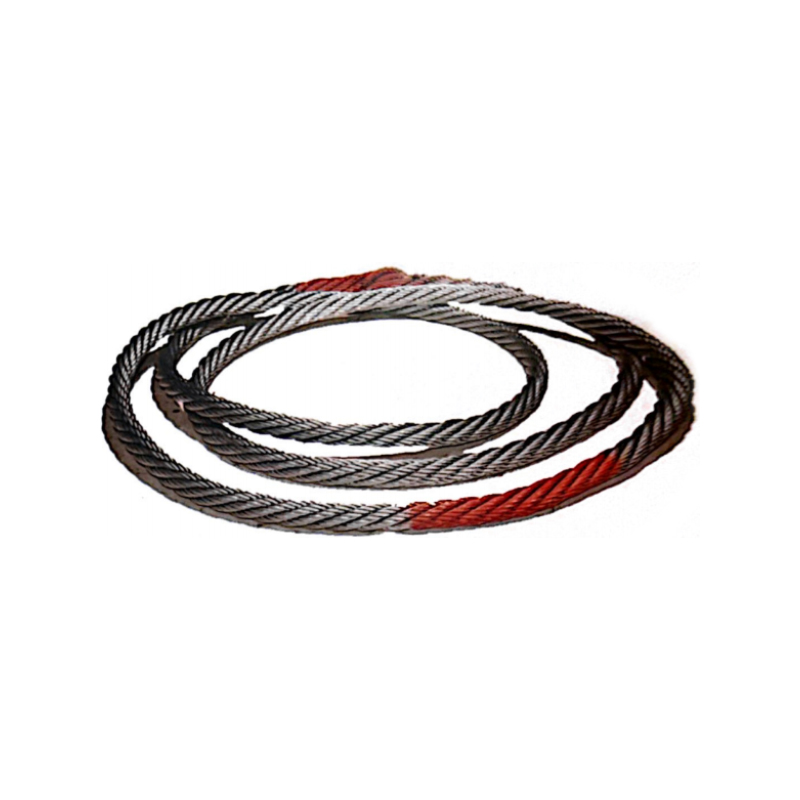
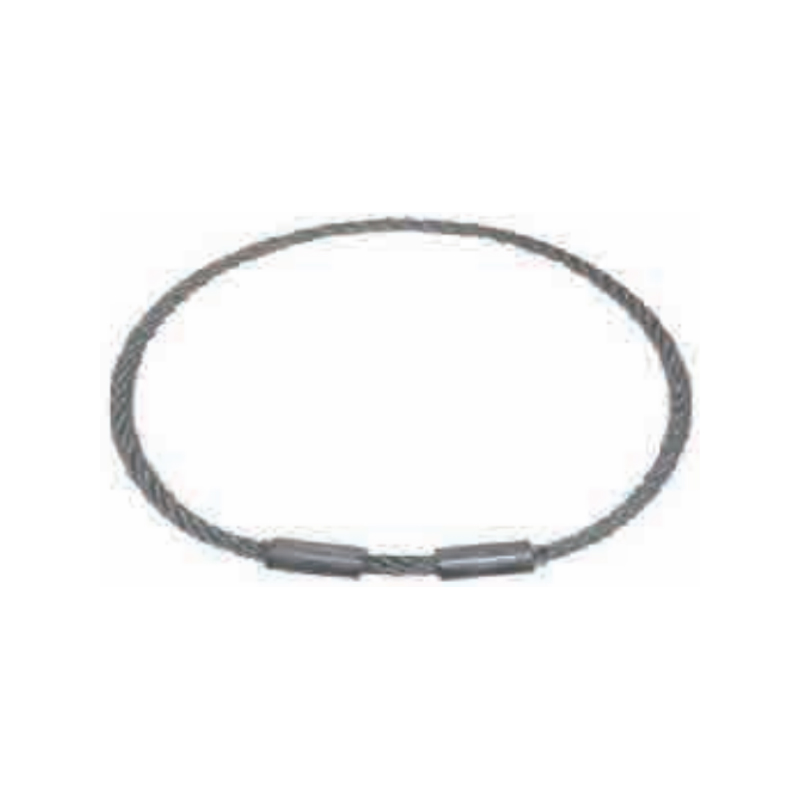
A closed-loop wire rope sling is a critical lifting accessory designed for durability and high-load capacity, forming an endless loop that distributes stress evenly across the cable structure. Unlike open-ended slings that require fittings or hooks at the ends, the closed-loop design eliminates weak points associated with terminations, providing a seamless and robust solution for heavy-duty applications in construction, shipping, and manufacturing.
These slings are engineered to withstand extreme tensile forces while maintaining flexibility. The continuous loop configuration allows for versatile hitching methods, including basket hitches and choker hitches, which can significantly alter the working load limit depending on the angle and method used. Understanding the specific capabilities and limitations of these slings is essential for preventing accidents and ensuring operational efficiency.
Construction and Material Specifications
The performance of a closed-loop wire rope sling is directly determined by its construction materials and manufacturing process. High-carbon steel wires are typically drawn, galvanized, and stranded into ropes, which are then spliced or welded to form the endless loop.
Wire Rope Grades and Strength
Most industrial slings use Improved Plow Steel (IPS) or Extra Improved Plow Steel (EIPS) grades. EIPS offers approximately 10% higher breaking strength than IPS, making it ideal for heavier loads. The core of the rope can be fiber-core (FC) for flexibility or independent wire rope core (IWRC) for greater resistance to crushing and higher strength.
Splicing Techniques
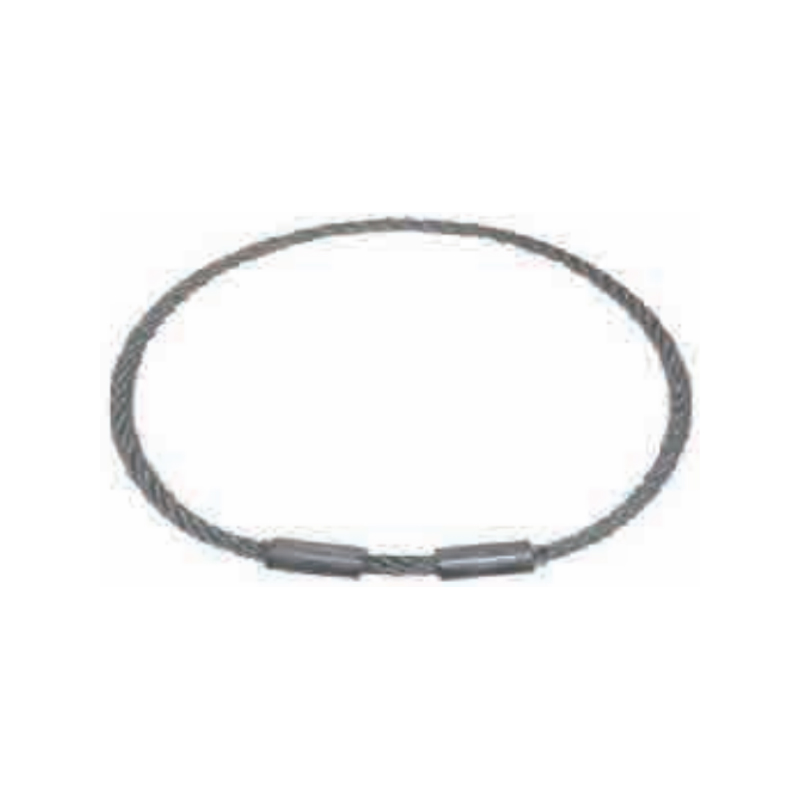
The integrity of the closed loop depends on the splice. Mechanical splicing uses ferrules to compress the rope ends together, while hand splicing weaves the strands back into the rope. Mechanical splices generally retain 90-100% of the rope's original breaking strength, whereas hand splices may retain slightly less but offer a smoother profile for sensitive loads.
| Configuration | Characteristics | Best Use Case |
|---|---|---|
| 6x19 IWRC | High strength, moderate flexibility | General heavy lifting |
| 6x37 FC | High flexibility, lower crush resistance | Tight radius bends, drum winding |
| 7x7 IWRC | Low flexibility, high abrasion resistance | Static guy lines, minimal bending |
Load Capacity and Hitch Configurations
The working load limit (WLL) of a closed-loop wire rope sling is not a fixed number; it varies significantly based on how the sling is rigged. Users must adjust the rated capacity according to the hitch type and the angle of lift.
Vertical Hitch
In a vertical hitch, the sling supports the load directly from top to bottom. This configuration utilizes 100% of the sling’s rated vertical capacity. It is the most straightforward method but requires careful balancing to prevent load shifting.
Choker Hitch
A choker hitch wraps around the load and passes through one eye of the sling. This method reduces the capacity to approximately 75-80% of the vertical rating due to the sharp bend radius and uneven stress distribution. It is useful for securing loose bundles but should be avoided for delicate surfaces.
Basket Hitch
The basket hitch supports the load from below, with both eyes attached to the lifting hook. This configuration can theoretically double the capacity (200% of vertical rating) if the legs are vertical. However, as the angle between the legs increases, the capacity decreases. At a 60-degree angle, the capacity is roughly 86% of the doubled value.
Inspection and Maintenance Protocols
Regular inspection is mandatory to ensure the safety of closed-loop wire rope slings. OSHA and ASME standards require frequent visual checks and periodic detailed inspections by a competent person.
- Broken Wires: Remove the sling if there are more than 10 randomly distributed broken wires in one rope lay, or 5 broken wires in one strand in one rope lay.
- Corrosion: Significant rust or pitting weakens the metal. Light surface rust can be cleaned, but deep corrosion requires immediate replacement.
- Kinks and Crushes: Any permanent deformation, kinking, or crushing of the rope structure compromises its integrity and necessitates removal from service.
- Heat Damage: Exposure to temperatures above 400°F (204°C) can alter the metallurgy of the steel, reducing strength. Discoloration is a key indicator of heat damage.
- Splice Integrity: Check for slippage or distortion in mechanical splices. Any movement of the ferrule indicates failure.
Best Practices for Safe Operation
Proper handling extends the life of closed-loop wire rope slings and ensures workplace safety. Operators should always use padding or wear pads when slings contact sharp edges to prevent cutting or abrasion. Never shock load a sling, as sudden impacts can generate forces far exceeding the rated capacity.
Storage is also critical. Slings should be hung on racks or stored in dry, well-ventilated areas to prevent moisture accumulation and corrosion. Avoid dragging slings on the ground or leaving them under heavy objects. By adhering to these practices, industries can maximize the return on investment while maintaining the highest safety standards.

Contact Us
-

-
 +86-13395162883 / +86-0510-86361180
 -
 No. 25 Xizhang Road, Changshou Village, Zhouzhuang Town, Jiangyin City, Wuxi City, Jiangsu Province, China


- Quick Links
- Product Categories
- Wire Rope
- Wire Rope Fittings
- Chain
- Wire Rope Accessories
- Packaging Types

Message Us Now !
